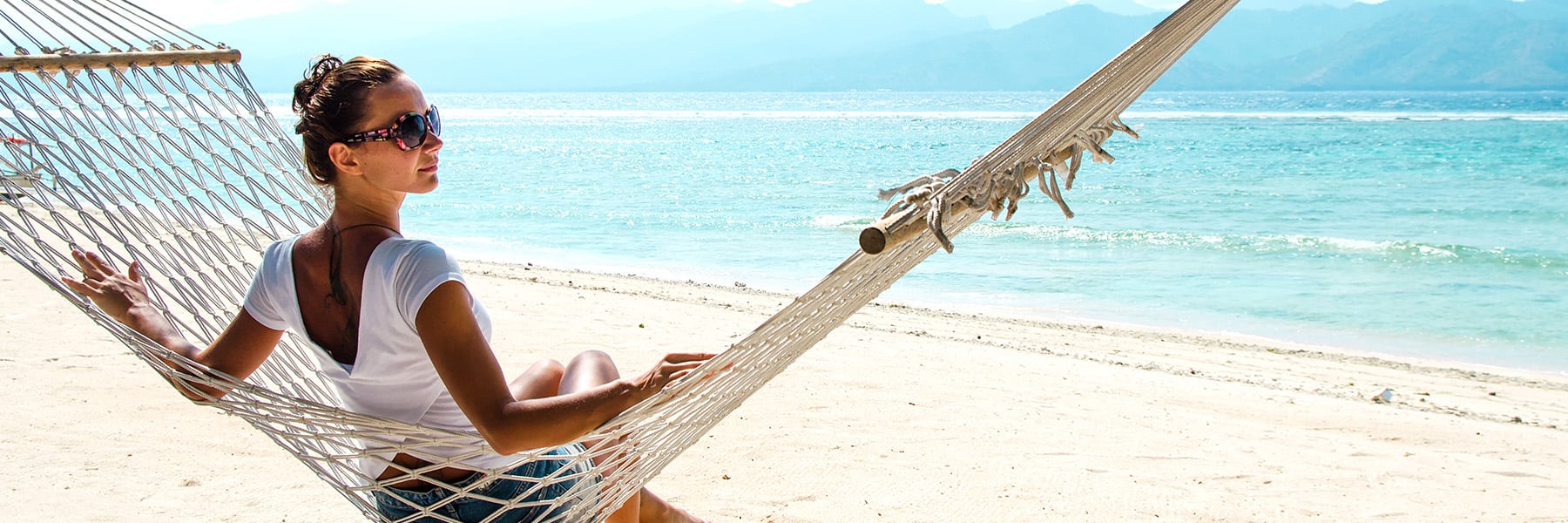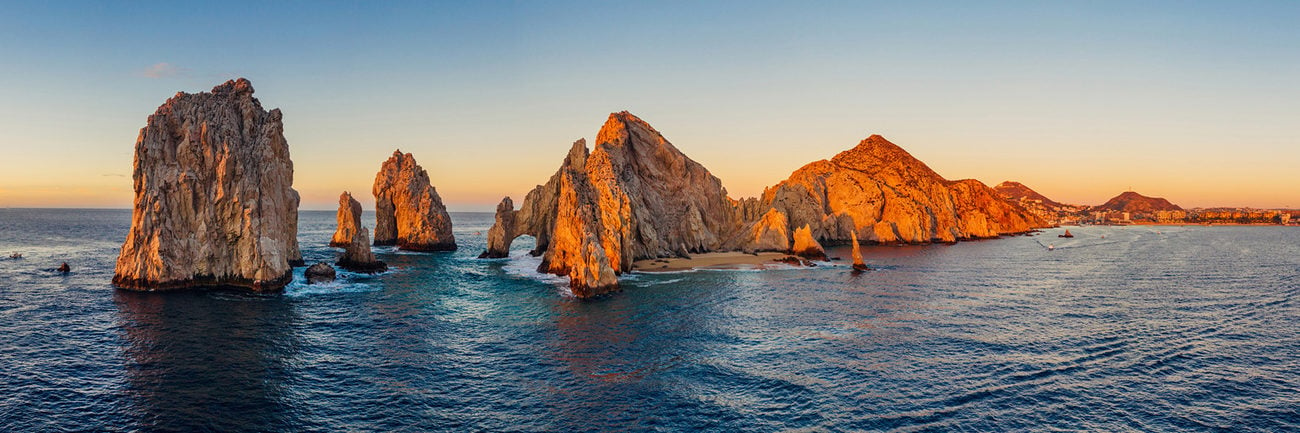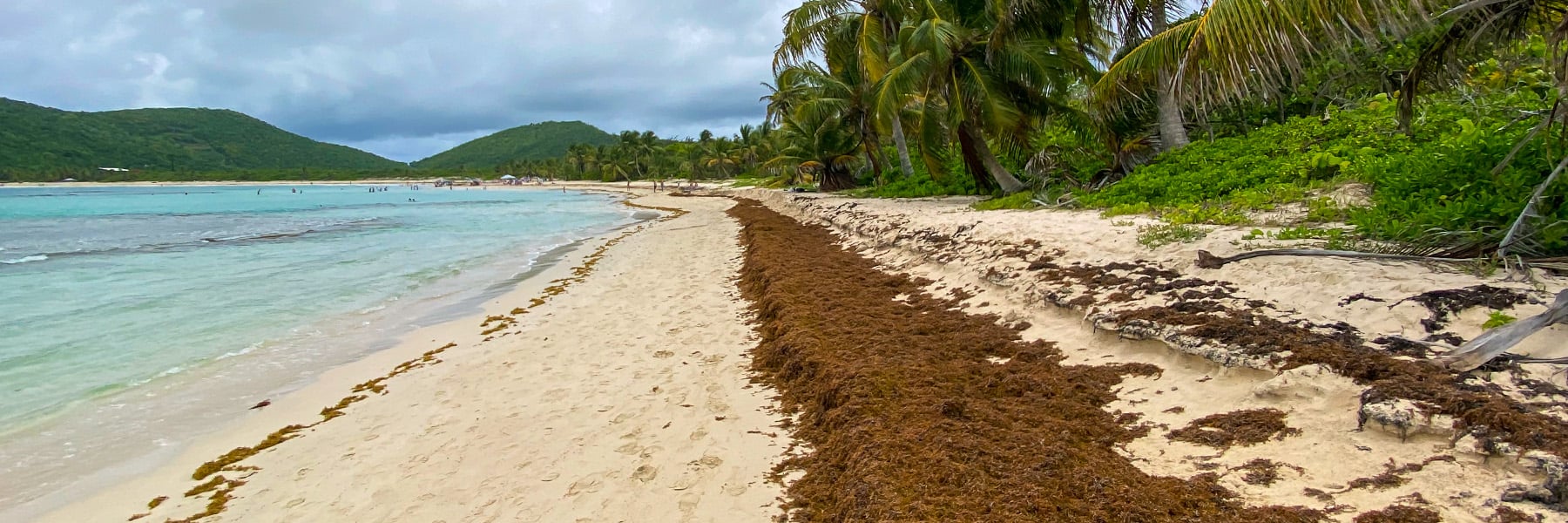
The Caribbean is known worldwide for its tropical beaches with blue skies, clear waters and pristine sands. But nature isn’t always picture perfect, and these beaches often take some maintenance to keep them looking so majestic. One of the biggest phenomena that impacts Caribbean beaches is known as sargassum. But what is sargassum, and how can it impact your vacay? You’ll find these answers below, along with our top tips for planning around sargassum season.
What Is Sargassum?
The short answer is that sargassum is a type of seaweed. It’s a species of brown algae that grows in wide swaths across the Caribbean in an area known as the Sargasso Sea. In recent years, the algae growth has been expanding further into the Caribbean and even stretches in sheets to western Africa in a formation known as the Great Atlantic Sargassum Belt1.
Sargassum isn’t harmful on its own. In fact, it’s an important part of the Caribbean’s ecosystem, providing food and shelter for all kinds of creatures2. But the seaweed becomes a nuisance when it sticks together and forms huge mats that float around the Caribbean. For centuries, sailors’ boats would get tangled and bogged down in the miles-long colonies of the algae3. This isn’t much of an issue today, though.
Sometimes, the sargassum population explodes due to environmental conditions, and these giant seaweed colonies can wash onto the Caribbean’s most beautiful beaches. Not only are the brown blobs an eyesore, but once they begin to decompose, they have a smell and can leach contaminants and bacteria back into the environment4. We know: Eww.
Each year, local governments and organizations put more effort into keeping the beaches clean, but it takes a lot of coordination and resources to ensure the issue doesn’t spiral out of control4.
While a sargassum-covered beach isn’t what anyone wants out of their vacay, it’s totally possible to minimize the impact on your trip. And if you do end up in the Caribbean during sargassum season, don’t panic! There are still tons of seaweed-free fun to be had, no matter which destination you visit.
Plan Your Trip Around Sargassum Season
Time It Carefully
Sargassum season is a known thing, which means it’s possible to plan for it (and plan to avoid it). The season varies by island, but it typically pops off hardest from late spring through summer. That means that March through October are generally the worst months for sargassum3.
If you plan the Caribbean trip of your dreams in the period from November to February, you’re most likely to avoid the mess and be able to enjoy your vacay exactly how you want to. Unlimited beach time, endless sun, and tons of fun.
Check the Forecast
If you already have dates picked out for your next beachy vacay and want to know what you’re getting into, check the sargassum forecast. As gross as the seaweed masses are, their growth depends on some predictable criteria, so experts can reliably forecast when sargassum season will be at its peak, how much there’ll be and where it’ll end up. Isn’t that amazing?
You can use the sargassum tracker at CARICOOS (that’s the Caribbean Coastal Ocean Observing System) to follow satellite imagery of sargassum movement and forecasts of where it’s going to float to and when.
Have Backup Activities
Obviously, the beaches are a major draw for Caribbean travelers. But they’re far from the only amazing things to see in this region. Having a few extra activities in your back pocket is always a good idea, but especially while travelling during sargassum season.
Depending on the area you visit, you can hike through nature preserves and forests, attend world-famous festivals, tour amazing historic downtown areas, and so much MORE.
Book an All-Inclusive With Private Beaches
Say you visit Cozumel on a romantic getaway or Antigua for a bachelorette party for 20. Consider booking at an all-inclusive resort for one important reason: Many of them have their own little slice of paradise waiting for you along their private beaches. These resorts want you to have the best stay possible, so they pour tons of effort into maintaining pristine beaches.
That means you can typically expect quick cleanup and clean beaches even during the height of sargassum season. There may be some downtime while the beach is being tended to, but you and the crew can simply use that time to indulge in a fine-dining experience, hit the spa or go on a shopping extravaganza in town.
For an easy and enjoyable booking experience, book with CheapCaribbean. Whether you’re going to Jamaica, Costa Rica or St. Lucia, CheapCaribbean has hundreds of all-inclusive resorts to choose from, and you’ll always get the best deal possible.
Sources:
- (16 January 2026). Caribbean Travel Alert 2026: New Sargassum Forecast Shows Early Seaweed Surges That Could Impact Vacation Beaches Now. Travel and Tour World. Retrieved February 10, 2026, from https://www.travelandtourworld.com/news/article/caribbean-travel-alert-2026-new-sargassum-forecast-shows-early-seaweed-surges-that-could-impact-vacation-beaches-now/
- Bennet, S. (11 May 2023). Sargassum, Yuk! How to Avoid it on Your Next Caribbean Escape. Uncommon Caribbean. Retrieved February 10, 2026, from https://www.uncommoncaribbean.com/caribbean/sargassum/
- Cannon, T. (7 May 2025). How to Avoid Sargassum Seaweed in the Caribbean. The Better Beyond. Retrieved February 10, 2026, from https://thebetterbeyond.com/sargassum-seaweed-caribbean/
- Carrick, E. (23 January 2026). These Popular Beach Destinations Are Facing a Seaweed Crisis—Here's How They Can Be Dangerous. Travel + Leisure. Retrieved February 10, 2026, from https://www.travelandleisure.com/sargassum-seaweed-impact-on-tourism-2026-11890718